Global AI Leadership Shift gains momentum as major economies race to dominate artificial intelligence innovation, policy, and infrastructure in the next global tech frontier.
The Global AI Leadership Shift is becoming one of the defining trends of the modern digital era. Nations across continents are investing heavily in artificial intelligence research, semiconductor supply chains, AI talent development, and ethical governance frameworks. The AI Leadership Shift reflects more than technological ambition. It represents economic strategy, geopolitical positioning, and long-term national security planning.
Artificial intelligence is no longer just a business tool. It is a strategic asset. Governments see AI as a driver of economic growth, military strength, healthcare improvement, and digital influence. The AI Leadership Shift shows that leadership in AI may determine which countries shape the future global order.
Below are eight powerful reasons behind the AI Leadership Shift and why the race is intensifying.
1. Strategic National AI Policies Fuel the Global AI Leadership Shift
One of the strongest drivers of the Global AI Leadership is national AI strategy. Countries are drafting comprehensive AI roadmaps to guide innovation and regulation.
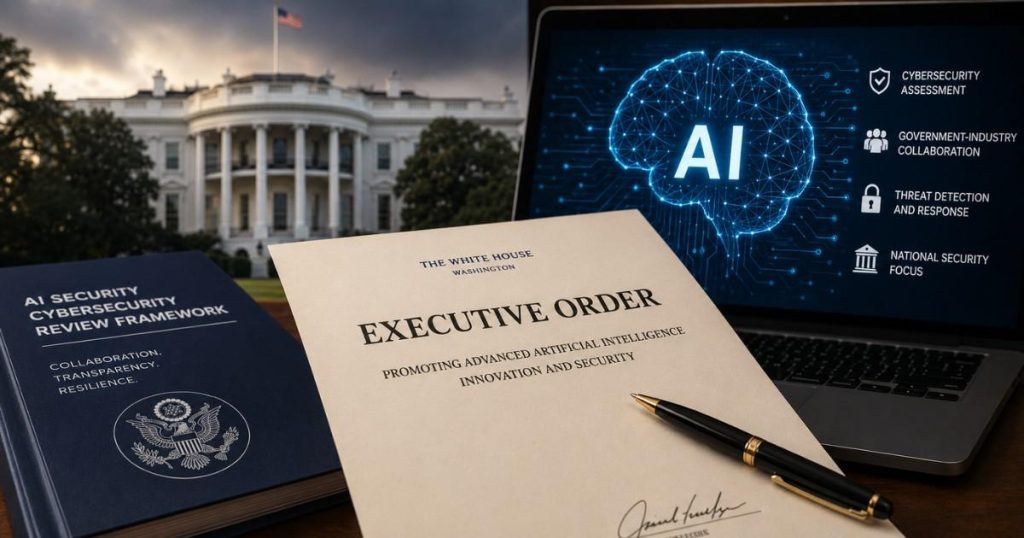
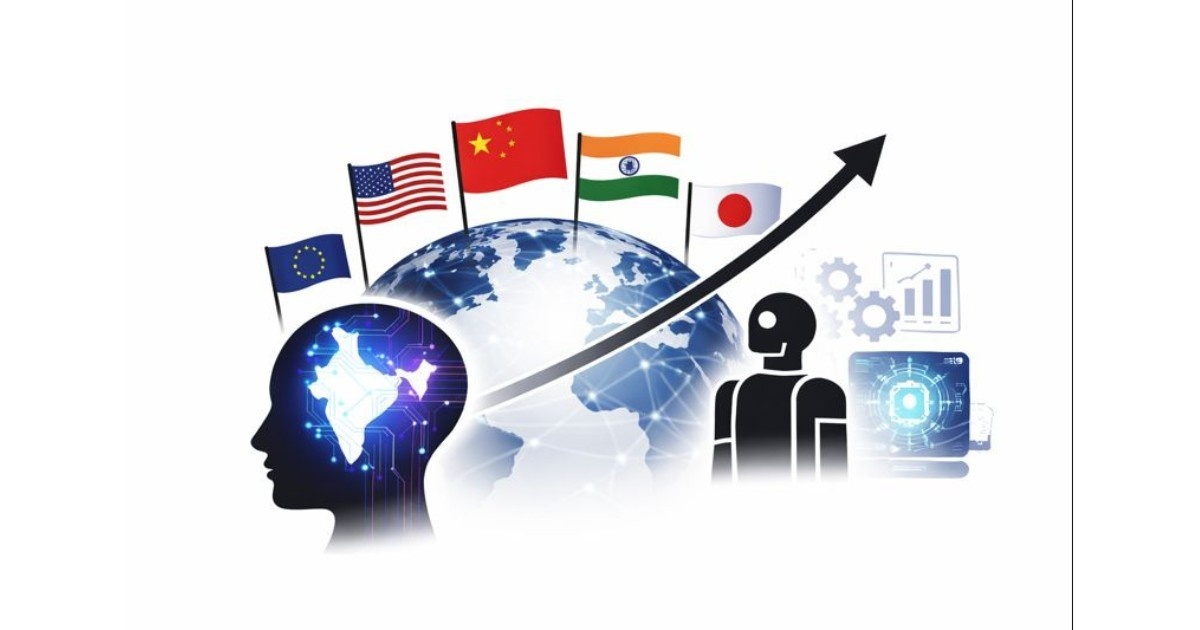
The United States has invested in AI research and defense applications through public and private partnerships. China continues to expand state-backed AI programs and advanced computing capabilities. Meanwhile, India is positioning itself as a key AI innovation hub through policy initiatives and startup support.
These national plans highlight how the AI Leadership Shift is deeply connected to public investment and strategic direction.
2. Semiconductor Control and Infrastructure Power
AI systems rely on advanced chips and computing power. Control over semiconductor production has become central to the AI Leadership Shift.
Countries are investing in domestic chip manufacturing facilities to reduce dependency on global supply chains. High-performance computing centers and data infrastructure projects are expanding rapidly.
Without secure access to hardware, AI development slows. That reality makes semiconductor policy a critical component of the Global AI Leadership Shift.
3. Talent Development and Education Race
The Global AI Leadership Shift is also a talent competition. Nations are expanding AI education programs in universities and technical institutes.
Leading institutions in the United Kingdom and Germany are producing AI researchers and engineers at scale. Scholarships, innovation labs, and startup incubators are designed to retain skilled professionals.
Countries that build strong AI talent pipelines are more likely to maintain influence in the Global AI Leadership.
4. Startup Ecosystems and Innovation Clusters
Startup ecosystems are reshaping the AI Leadership Shift. Technology hubs such as San Francisco, Bengaluru, and Tel Aviv are driving AI breakthroughs.
These cities host venture capital firms, research centers, and multinational corporations. Collaboration between startups and established companies accelerates innovation.
The Global AI Leadership Shift is not limited to governments. Private enterprises and entrepreneurs play a critical role in defining technological leadership.
5. Ethical Governance and Regulation Debates
As AI grows more powerful, regulation becomes a global priority. The Global AI Leadership Shift includes competition over governance models.
The European Union has introduced regulatory frameworks focused on risk-based AI oversight. Other nations are developing their own guidelines balancing innovation with accountability.
Ethical standards influence global trust. Countries that create transparent AI governance models may gain diplomatic advantage in the Global AI Leadership Shift.
6. Economic Growth and Digital Exports
Artificial intelligence is projected to contribute trillions of dollars to global GDP. The Global AI Leadership Shift is driven by economic opportunity.
AI enhances productivity in manufacturing, finance, healthcare, and agriculture. Countries that export AI software and services gain trade advantages.
Digital exports are becoming as important as traditional goods. This economic dimension intensifies the Global AI Leadership Shift across continents.
7. Defense and National Security Considerations
Military and security applications add urgency to the Global AI Leadership Shift. Autonomous systems, cyber defense tools, and intelligence analysis platforms rely on AI.
Nations view AI superiority as a strategic advantage. This security dimension increases government funding and research collaboration.
The Global AI Leadership Shift therefore carries implications beyond business. It affects global power dynamics.
8. International Collaboration and Rivalry
While competition drives the Global AI Leadership Shift, collaboration also plays a role. Multilateral forums discuss AI safety, standards, and responsible deployment.
At the same time, geopolitical tensions influence technology partnerships. Export controls, research restrictions, and data localization policies shape alliances.
The Global AI Leadership Shift balances cooperation with rivalry, reflecting the complex nature of global technology politics.
India’s Position in the Global AI Leadership Shift
India’s participation in the Global AI Leadership Shift is gaining global attention. With a large developer base and expanding digital infrastructure, India is strengthening its AI research ecosystem.
AI summits and policy discussions highlight India’s ambition to combine innovation with ethical governance. The country’s multilingual population offers unique opportunities for inclusive AI development.
As emerging markets expand digital services, India’s role in the Global AI Leadership Shift could grow significantly.
Challenges in the Global AI Leadership Shift
Despite rapid growth, the Global AI Leadership Shift faces obstacles. High development costs create barriers for smaller nations. Data privacy concerns complicate cross-border collaboration.
There is also risk of unequal benefits. Advanced economies may widen technological gaps if access to AI remains concentrated.
Addressing fairness and accessibility will shape the long-term outcome of the Global AI Leadership Shift.
Economic and Social Impacts
The Global AI Leadership Shift is transforming labor markets. Automation may reduce repetitive jobs but increase demand for advanced digital skills.
Healthcare systems are using AI to improve diagnosis and treatment planning. Climate research benefits from predictive modeling tools.
These broad applications show that the Global AI Leadership Shift is not limited to technology sectors. It influences everyday life.
What Comes Next in the Global AI Leadership Shift
The next phase of the Global AI Leadership Shift will likely focus on advanced computing, responsible AI frameworks, and cross-border cooperation.
Countries that invest in sustainable innovation, inclusive education, and transparent governance will strengthen their positions.
Artificial intelligence is becoming the backbone of digital transformation. Leadership in this field carries long-term strategic value.
The Global AI Leadership Shift marks a turning point in modern history. Nations are racing not only to innovate but also to define the ethical and economic rules of the next technological frontier.
Also Read: 7 Powerful Shifts Driving the AI Revolution in India: Latest Innovations, Ethical Debates, and Startup Breakthroughs
Follow us on google news: Click Here